
Products
가스 감지기 소개
포인트 가스 감지기
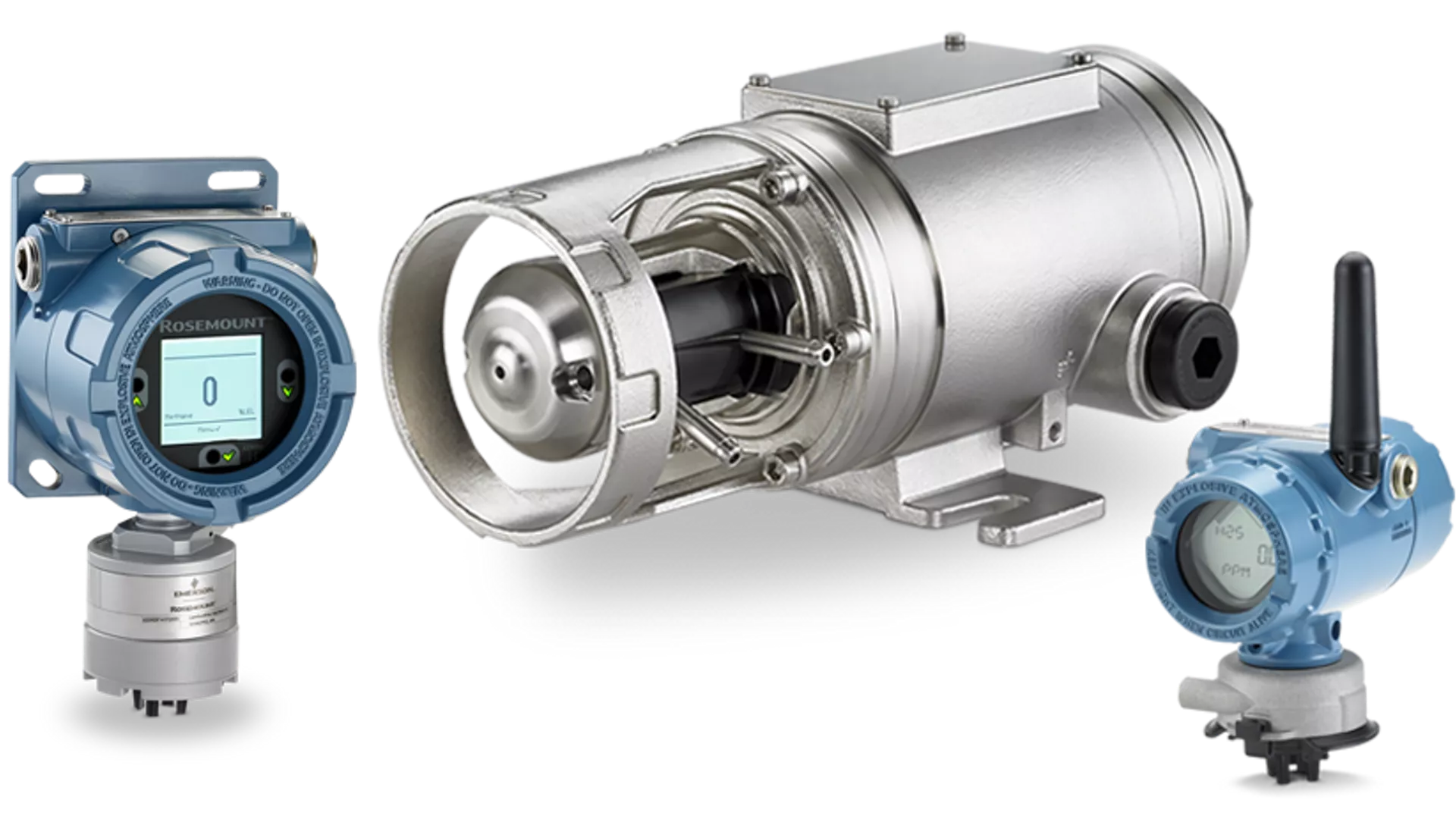
포인트 가스 검기는 폭발 하한(LEL)에 근접한 가연성 가스와 유독 연기를 선제적으로 감지하고 유해 가스에 대한 조기 경고를 제공합니다. 포인트 가스 감지기는 규정 준수에 필수적이며 화재, 폭발 및 건강 위험으로부터 중요한 보호 기능을 제공합니다. 기존 유선 장치를 선택할 수 있으며, 최신 무선 모델을 통해 설치 비용을 최대 60%까지 절감할 수 있습니다.
왜 Emerson 가스 감지기를 선택해야 합니까?

유지보수 비용 절감
Rosemount 가스 감지기는 유지보수에 필요한 시간과 교육 부담을 줄여 비용을 최적화할 수 있습니다. 제품의 다양한 기능을 통해 교정 주기를 연장하거나 교정이 필요하지 않도록 하고, 가스 없이 기능 테스트를 수행할 수 있으며, 센서 교체를 간소화할 수 있습니다. 화면 가이드를 통해 교육을 간소화하고 업무 효율을 높이며 운영 비용을 절감하게 해줍니다.
가스 감지 기술

적외선 가스 감지기
적외선(IR) 가스 감지기는 각 가스의 특정한 파장에서 IR 빛 흡수량를 측정하여 가스를 식별합니다. 메탄(CH4) 및 이산화탄소(CO2)와 같은 위험한 수준의 가스를 감지하는 데 이상적입니다. 긴 센서 수명, 중독 내성, 습도에 영향을 받지 않는 신뢰할 수 있는 성능 및 빠른 응답 시간을 제공합니다. IR 기술은 포인트 및 개방 경로 감지기 모두에서 사용이 가능합니다.
동영상
Emerson의 가스 감지 시스템은 비분산 적외선(IR) 센서 및 초음파 가스 누출 감지기와 같은 최첨단 기술을 활용하여 가스 누출을 조기에 정확하게 감지할 수 있습니다.
Rosemount™ Flame and Gas Detection Solutions: Readily Available
Rosemount™ Flame and Gas Detection Solutions: Readily Available
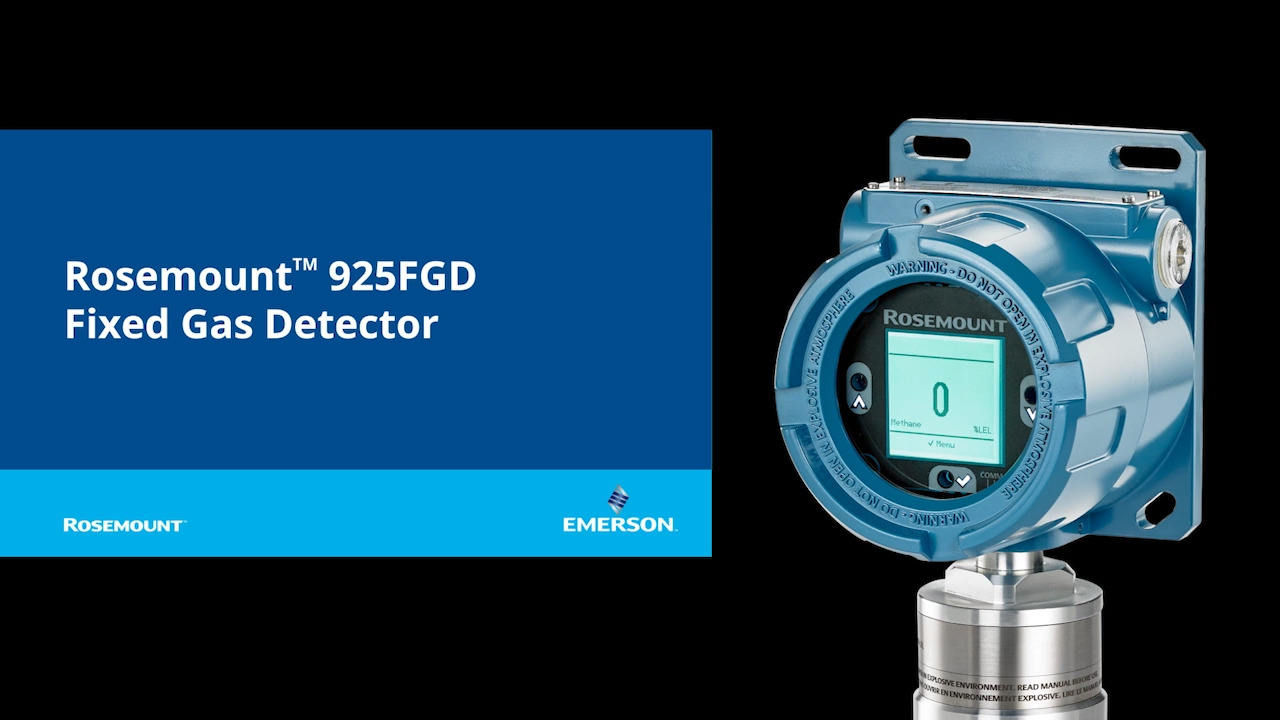
Rosemount™ 925FGD Fixed Gas Detector | Emerson
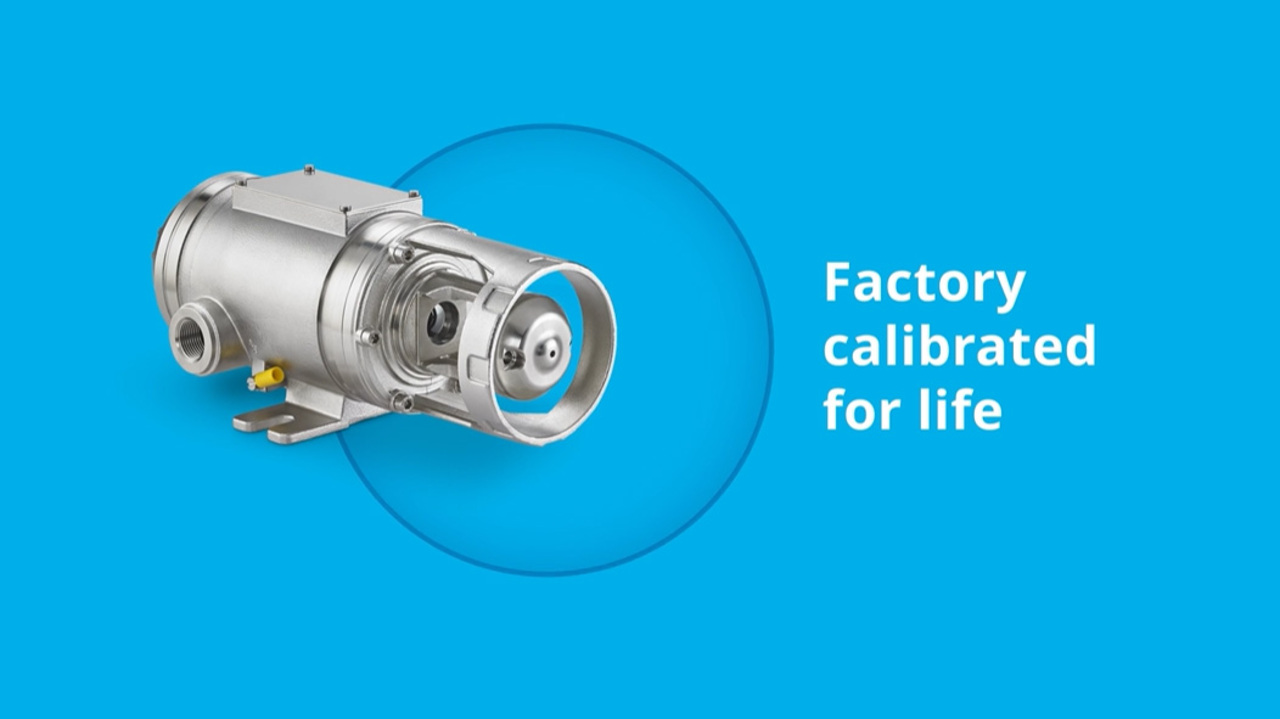
Rosemount™ 625IR Fixed Gas Detector | Emerson

Rosemount™ 936 Open Path Gas Detectors | Emerson
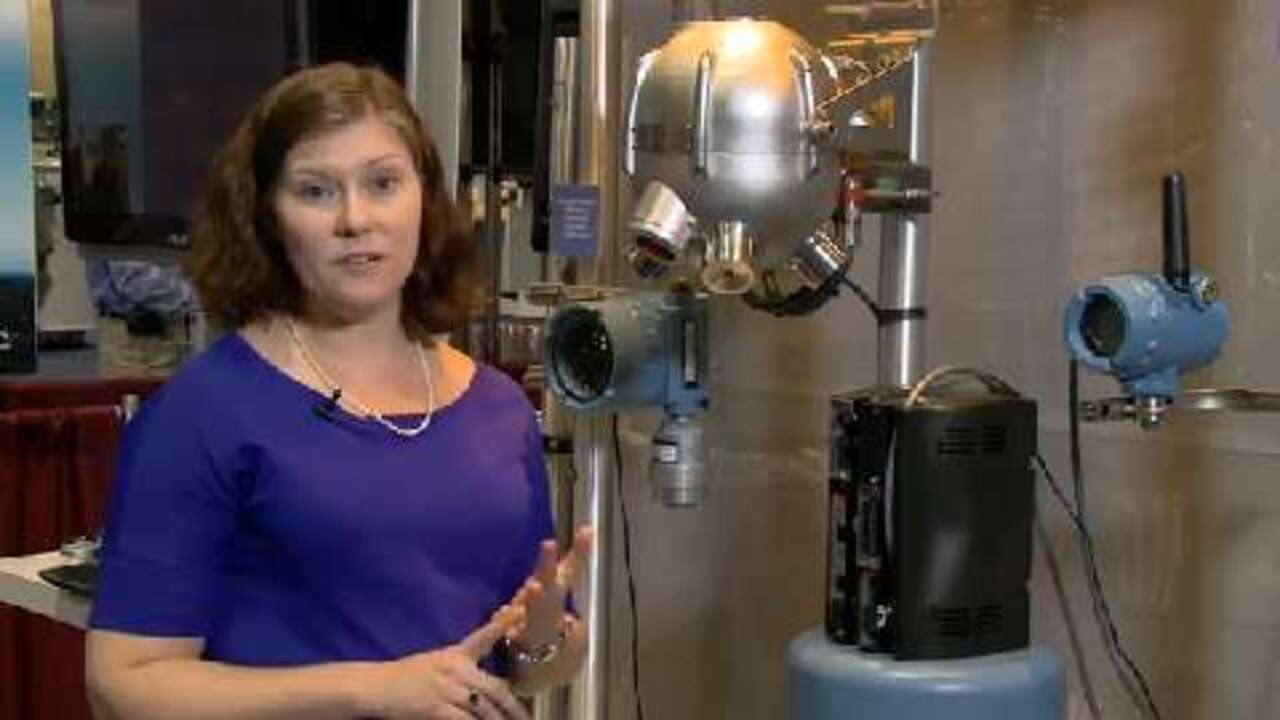
Remote Ultrasonic Gas Leak Detection Integrated with Emerson Smart Wireless Technology
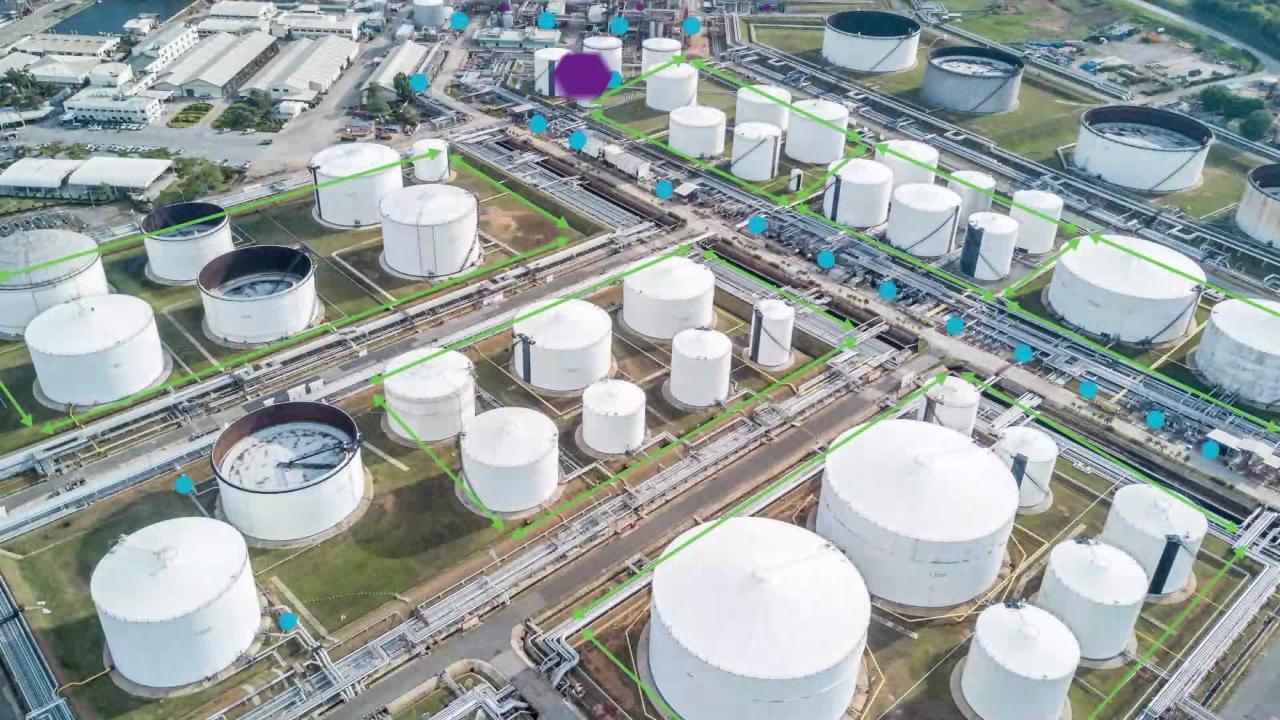
Safeguarding Your Most Critical Assets-Rosemount Flame and Gas Detection Solutions for Process Operations
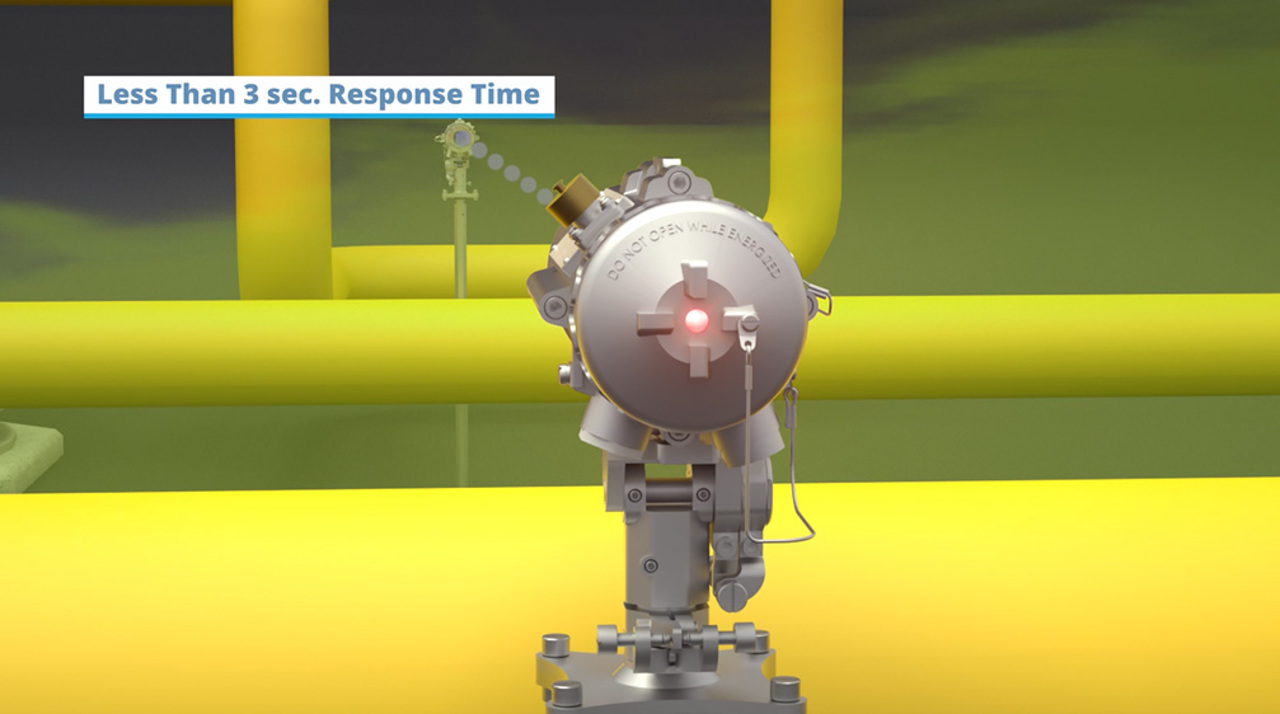
How Open Path Toxic Gas Detection Works | Emerson
자주 묻는 질문
Emerson 가스 감지 솔루션은 산업 시설이 까다로운 응용 분야에서 가연성 가스, 유독성 가스 및 산소 위험을 모니터링하는 데 도움을 줍니다. 이러한 산업용 가스 탐지 FAQ는 산업 환경에서 고정 가스 탐지 시스템을 선택, 배치 및 유지 관리하는 방법에 대한 실무적인 지침을 찾는 엔지니어, 안전팀, 신뢰성 전문가 및 시설 운영자를 위해 작성되었습니다.
대부분의 산업 시설에는 가연성 가스, 유독 가스 또는 산소 위험에 대한 가스 감지기가 필요합니다. 올바른 혼합은 존재하는 가스, 누출원, 환기, 작업자 노출 위험 및 필요한 안전 대응에 따라 달라집니다. 일반적으로 모니터링되는 가스로는 메탄, 수소, 황화수소, 일산화탄소, 암모니아, 염소, 이산화탄소 및 산소가 있습니다.
감지해야 할 위험부터 시작하십시오. LEL 가스 탐지는 가연성 가스 위험에 사용하고, ppm 감지는 황화수소 또는 일산화탄소와 같은 유독성 가스에 사용되며, 퍼센트 부피는 산소 또는 고농도 가스에 사용됩니다. Emerson의 가스 탐지 포트폴리오는 다양한 산업 응용 분야에 적합한 적외선, 촉매 비드, 전기화학 및 초음파 기술을 지원합니다.
포인트 가스 감지를 사용하여 가스가 축적될 수 있는 특정 누출원 또는 영역을 모니터링할 수 있습니다. 개방 경로 가스 탐지를 사용하여 영역, 경계 또는 가시선 전체에 걸쳐 더 넓은 적용범위를 제공합니다. 많은 시설에서 가스 탐지 적용범위를 개선하기 위해 두 가지 접근 방식을 모두 사용합니다.
고정형 가스 감지기의 적절한 수는 누출원, 가스 유형, 장비 레이아웃, 환기, 위험 레벨 및 필요한 응답 시간에 따라 다릅니다. 가스가 방출, 수집, 이동 또는 인력을 노출시킬 수 있는 곳에 감지기를 배치하십시오. 가스 밀도, 마운팅 높이, 공기 흐름 및 유지보수 접근이 최종 배치를 결정하는 데 도움이 되어야 합니다.
가스 감지기 배치 시 흔히 발생하는 실수에는 가스가 도달하지 않는 곳에 감지기를 설치하는 것, 환기 또는 바람 패턴을 무시하는 것, 센서를 너무 높거나 낮게 마운팅하는 것, 유지보수 접근을 차단하고 누출 가능성이 있는 지점을 간과하는 것이 포함됩니다. 현장별 위험 평가를 통해 이러한 문제를 방지할 수 있습니다.
환경 조건은 가스 감지기의 정확도, 응답 시간 및 센서 수명에 영향을 미칠 수 있습니다. 고온, 저온, 습도, 먼지, 세척, 진동, 부식, 바람 및 물 유입으로 인해 드리프트, 막힘 또는 오경보가 발생할 수 있습니다. 인클로저, 방수 및 방진(IP), 온도 등급 및 센서 기술을 설치 환경에 맞게 조정하십시오.
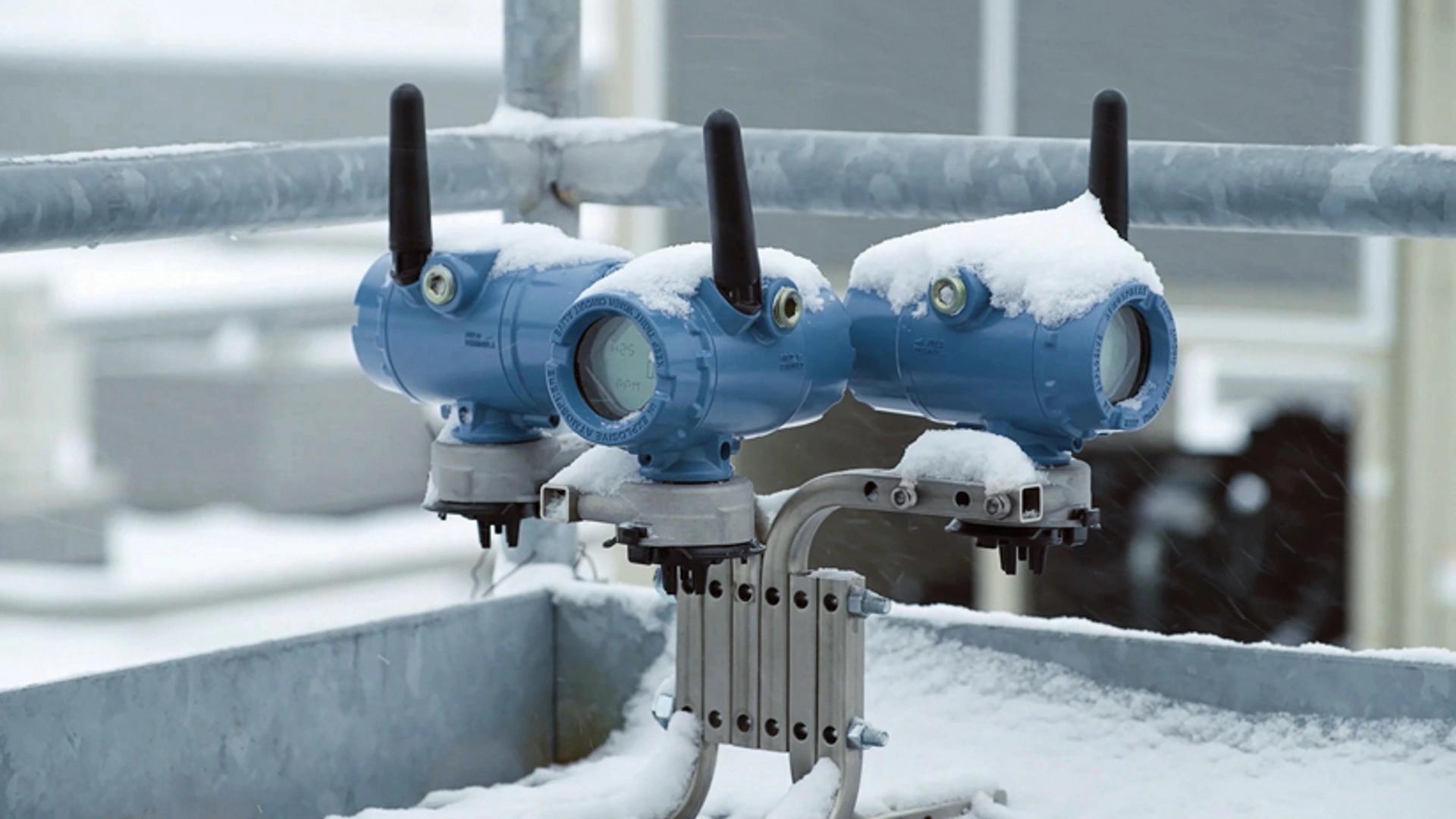
예. 무선 가스 감지기는 네트워크, 전원, 업데이트 비율, 알람 전략 및 승인이 응용 분야에 적합할 때 원격 장비, 임시 구역, 배선이 어려운 위치 및 브라운필드 확장에서 제대로 작동할 수 있습니다. Emerson 무선 가스 모니터는 배선 비용을 줄이고 원격 가스 모니터링 적용 범위를 확장하는 데 도움이 될 수 있습니다.
정기적인 교정, 범프 테스트, 검사 및 내장 진단 기능은 가스 감지기의 신뢰성을 유지하고 허위 알람을 줄일 수 있게 해줍니다. 유지보수 빈도는 센서 기술, 가스 노출, 환경, 규정 및 제조업체 지침에 따라 다릅니다. 점검 중에는 중독, 표류, 막힘, 물 유입, 먼지, 진동, 부적절한 설치 위치 및 가스 교차 민감도를 확인하십시오.
시설의 지역 분류, 환경 및 안전 요구사항에 맞는 위험 지역 가스 감지기를 선택하십시오. 주요 기준으로는 방폭 또는 본질안전형 승인, Class/Division 또는 Zone 등급, 가스 그룹 적합성, 방수 및 방진(IP), 온도 범위, 기능 안전성 요구사항, 현지 규정 및 제어 시스템 호환성이 있습니다.
예. 많은 고정형 가스 감지기는 아날로그 출력, 릴레이 또는 디지털 커뮤니케이션을 사용하여 DCS, PLC 또는 화재 및 가스 시스템(FGS)에 연결할 수 있습니다. 감지기를 선택하기 전에 신호 유형, 진단, 결함 처리, 알람 Voting, 전원 요구 사항 및 시설의 제어 시스템 또는 안전 아키텍처와의 호환성을 확인하십시오.
산업용 가스 감지기를 비교할 때는 초기 구매 가격뿐 아니라 다른 요소들도 함께 고려해야 합니다. 최적의 선택은 대상 가스, 설치 환경, 승인, 진단, 통합 요구 사항 및 유지보수 전략에 적합해야 합니다. 또한 응답 시간, 예상 센서 수명, 교체 용이성 및 소유 총비용(TCO)도 고려하여 감지기가 전체 라이프 사이클 내내 안정적인 작동을 유지할 수 있도록 합니다.