
About Combustion Analyzers
Why Use A Combustion Analyzer
Combustion analyzers measure oxygen and combustibles in flue gas to optimize combustion processes, leading to energy and cost savings. They help meet environmental limits by tracking oxygen levels to reduce CO2 and NOx emissions. Data logs support regulatory compliance. Maintaining proper oxygen levels enhance safety by preventing the presence of hazardous combustibles, reducing explosion risks.
Easier, more cost-effective maintenance
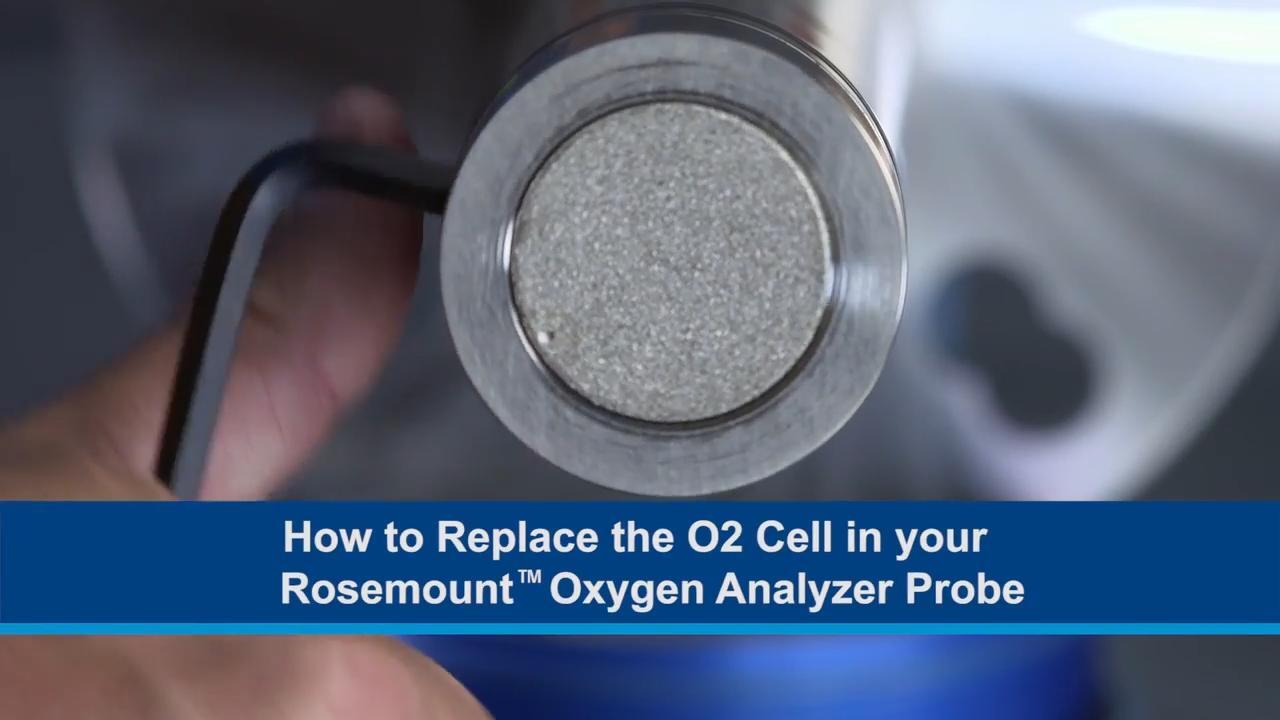
Rosemount combustion analyzers offer replaceable parts, enhancing product longevity. The O2 cell, often replaced, typically lasts 5 years but varies with conditions like temperature and sulfur. Our trusted design, successful for over 30 years, ensures durability and resistance to thermal stress. Many components are backwards compatible with legacy models, simplifying upgrades and maintenance.
Safety First
Enhance safety by avoiding fuel-rich combustion conditions. Combustion analyzers keep optimal oxygen levels and alert if levels drop, preventing combustibles in flue gas that can cause fires or explosions. Remote displays and flame safety interlocks enhance safety by reducing exposure to hazards and disabling heaters during flameouts. Some analyzers are rated for hazardous area applications.
How To Choose
Detect Combustion Imbalances
Excess O2 stratification in large multi-burner boiler exhausts necessitates a grid of oxygen analyzers. This setup provides accurate average excess oxygen measurements essential for air-fuel ratio control, helping operators identify combustion imbalances. Proper monitoring optimizes boiler performance and reduces emissions.
Measuring Excess Oxygen
For decades, combustion flue gas analysis has optimized air-fuel ratios by measuring excess oxygen and CO levels. This enables operators to maximize heat efficiency, minimize NOx, and reduce greenhouse gas emissions. Essential for any process with atmospheric emissions, such as boilers and fired heater furnaces, it ensures optimal performance and environmental compliance.
Technology
Zirconia Oxygen Cell
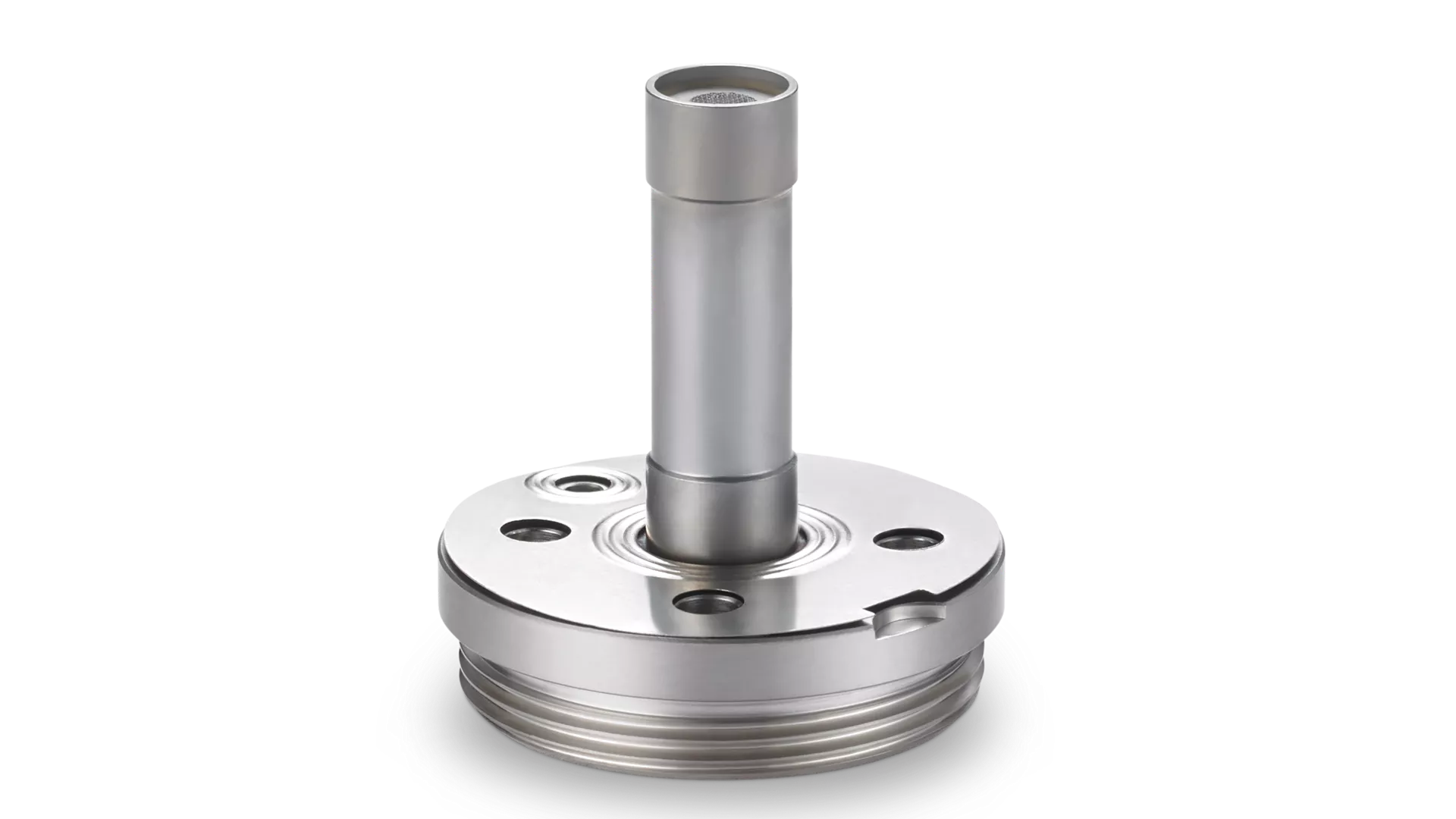
The Rosemount Zirconia Oxygen Cell excels in zirconia technology with 30 years of proven robust design. Its heated zirconia facilitates oxygen ion diffusion, generating a voltage linked to excess oxygen levels. Catalytic beads enhance longevity by resisting environmental poisoning. For high-sulfur uses, a special cell with additional beads is offered to manage sulfur particulates effectively.
Combustible Sensor
Rosemount Dual Gas Analyzers, like the OCX8800, feature a combustibles sensor to measure flue gas combustibles. It employs a calorimetric sensor with a platinum-coated sample RTD and a non-coated reference RTD. Combustibles reacting with the sample RTD produce heat. The temperature difference between the RTDs indicates the combustibles' concentration in the process.
Videos
Emerson's combustion solutions enhance safety, reliability, and efficiency in industrial burners, boilers, and furnaces. Their products include safety shutoff valves, actuators, and more.

How to Replace the O2 Cell in your Rosemount™ Oxygen Analyzer Probe
6888 InSitu Oxygen Probe: Integral AutoCal Demo
Measuring Oxygen Inside A Lime or Cement Kiln
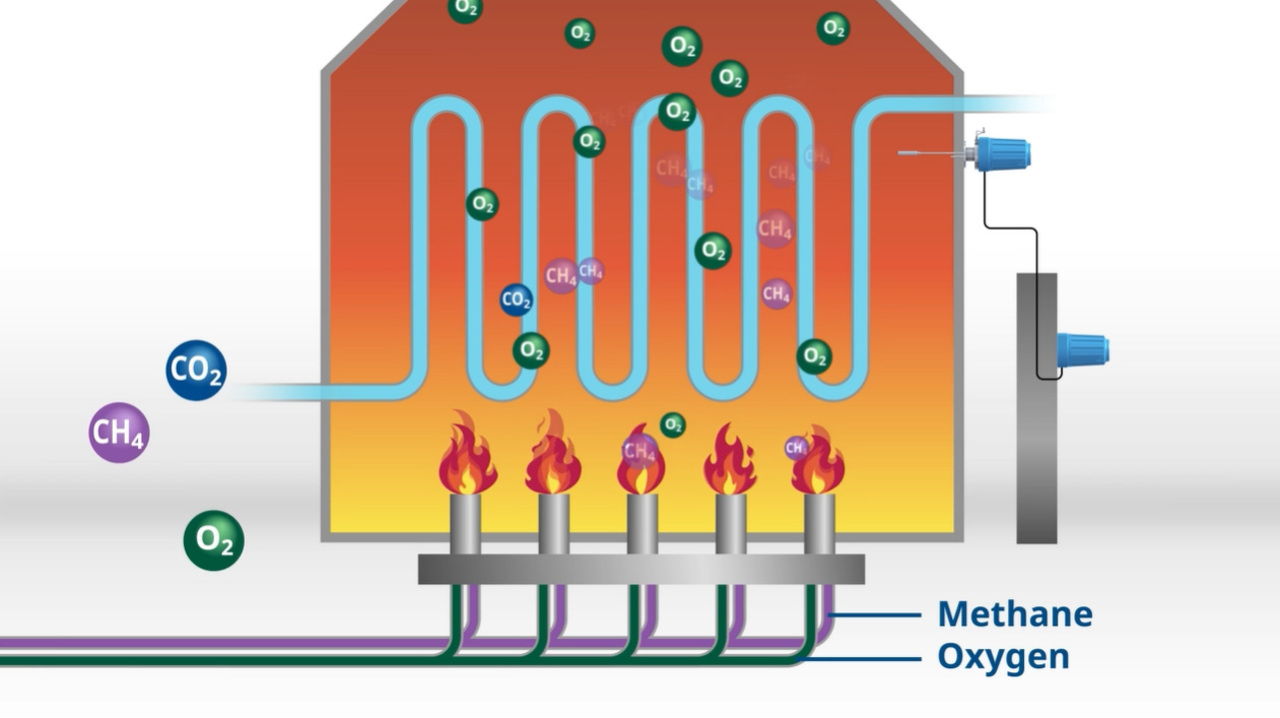
How it Works: Rosemount OCX8800 Oxygen & Combustibles Analyzer | Emerson
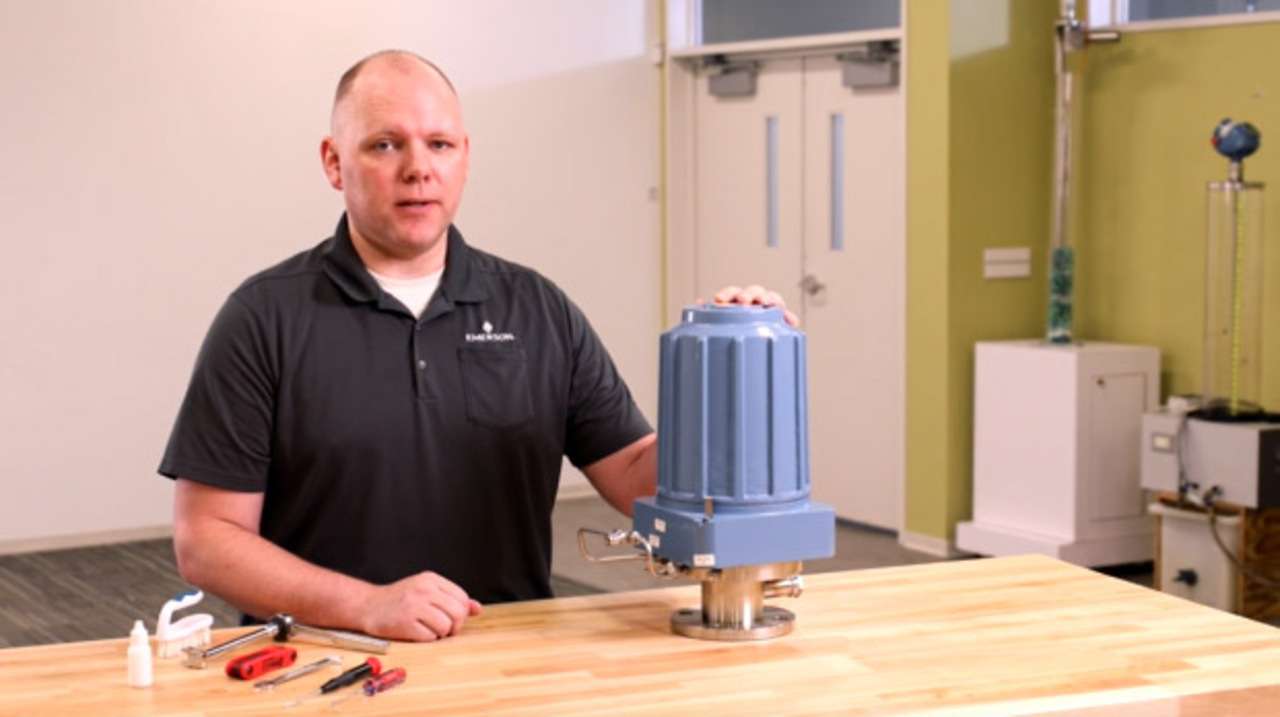
How to Replace the O2 Cell in the Rosemount™ OCX8800 Oxygen & Combustibles Analyzer | Emerson
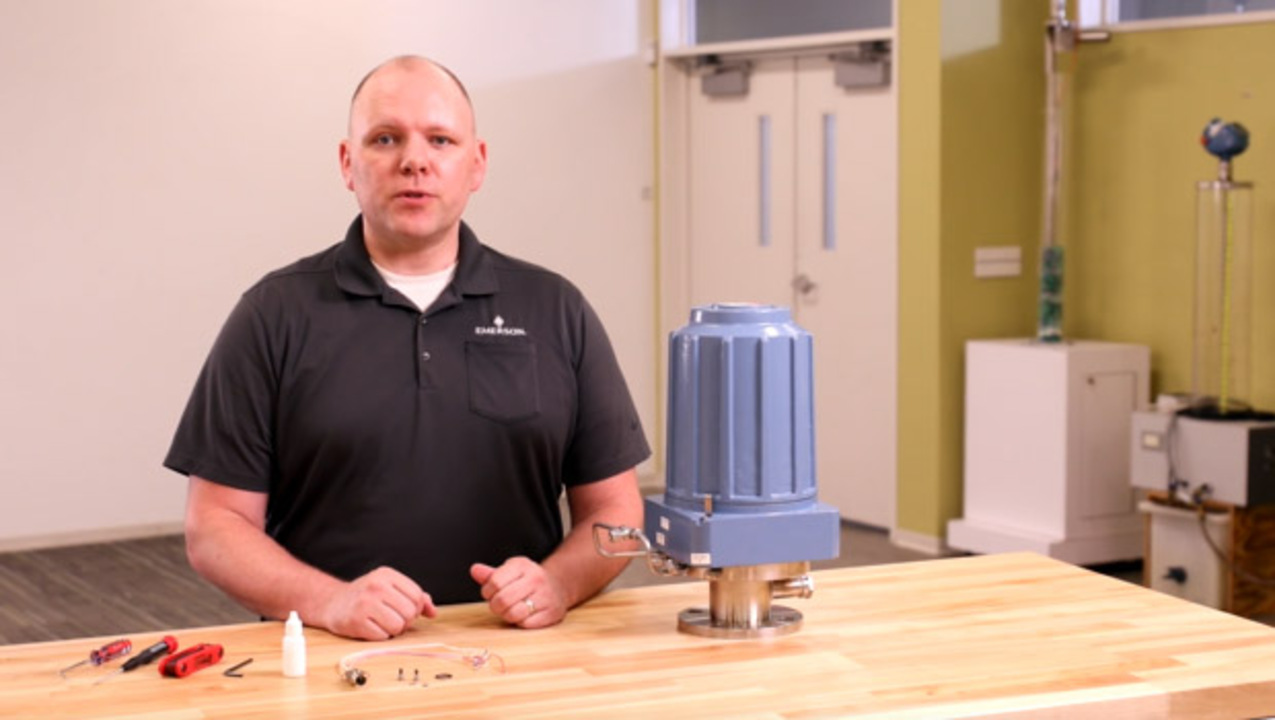
How to Replace the Combustibles Sensor in the Rosemount™ OCX8800 Oxygen & Combustibles Analyzer | Emerson
Frequently Asked Questions
Select a length that will get the tip of the probe into the middle third of the stack.
Diffuser selection depends on the process temperature and the dust load within the stack. For applications below 400°C with low particulate the standard snubber diffuser is recommended. For higher temperatures we offer a ceramic or Alloy C-276 diffuser and on applications with higher dust loads the larger surface area ceramic or Alloy C-276 diffuser should be used along with a vee deflector for physical protection of the diffuser.
For a standard manual calibration you will need two bottles of calibration gas, we recommend 8% and 0.4% O2 balance nitrogen, a dual stage regulator a flow meter that can go to 5scfh (2.4Lpm) and enough tubing to connect to the ¼” swage fitting on the calibration port.
There is no specific life expectancy for the probe, however the consumable O2 cell can last over 5 years in clean burning low temperature applications.
Yes, however if the intent of the nitrogen blanketing is to prevent the atmosphere from becoming explosive then our probes aren’t appropriate. Our O2 cells are heated to 736°C and will catalyze combustibles consuming the available O2, our probe won’t report any O2 until the combustible material is consumed and there is excess O2.
We have multiple options when the process temperature is above 704°C, up to 1093°C in low dust applications we have our high temperature bypass option which uses the ram air effect to direct a sample outside of the process, for dirty applications up to 1232°C we have our PMJ which is an insulated jacket mounted to the stack wall that our probe gets inserted into, for temperatures up to 1426°C in clean applications we have our OCX8800 close coupled extractive probe with a ceramic sample tube.
Less than 100ppm of sulfur compounds will have no effect on the performance of the O2 sensor. Above 200ppm we start to recommend the high sulfur cell, at 1000ppm and above the high sulfur cell should always be selected.